
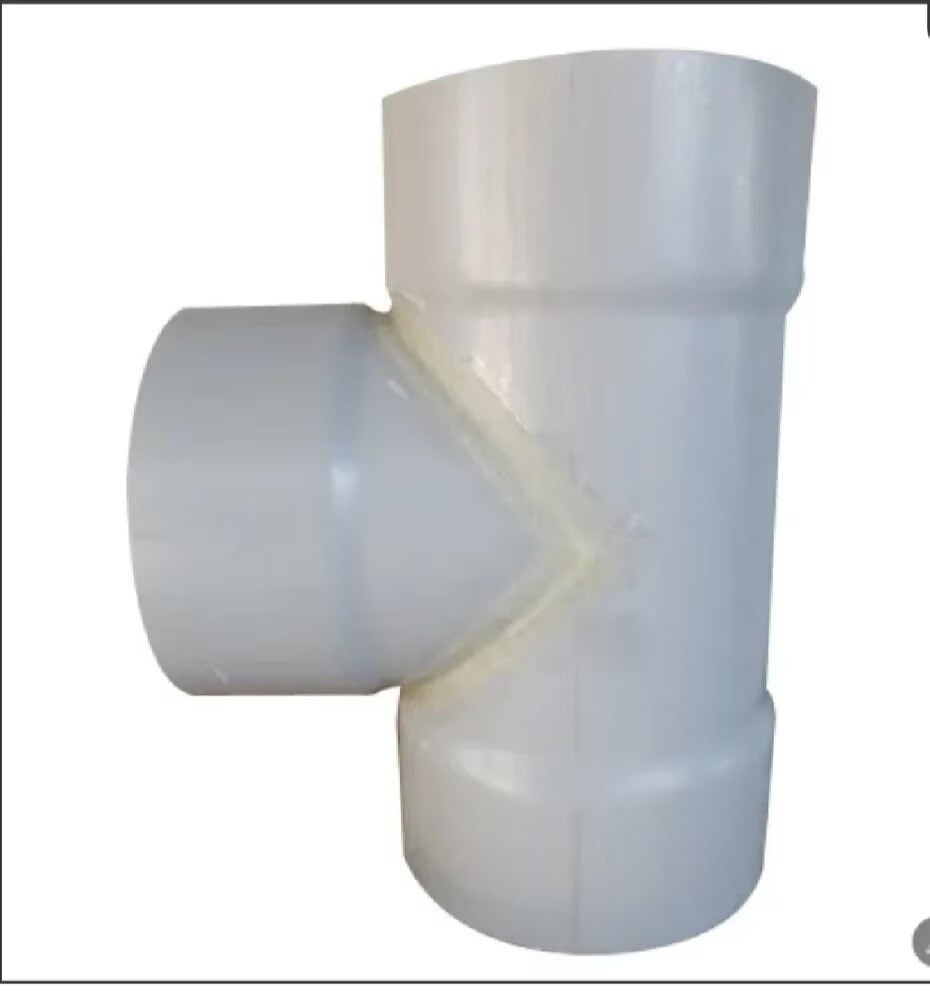
A leaking line does not leave time for a vague search for a “PVC fitting.” You need the right coupler, confirmed at a Pune pickup point, and enough information to prevent a second trip or a failed joint; the sections below show where to ask, what to verify, and how to install it safely.
Key takeaways
- Call distributors, hardware shops, manufacturers, and industrial suppliers before travelling.
- Confirm stock, outside diameter, socket size, material, and collection timing.
- Cut square, deburr, dry-fit, solvent-cement, and hold each joint during curing.
- Replace damaged pipe ends instead of forcing a mismatched coupler onto them.
Which Pune suppliers can provide a coupler during an urgent repair?
Four Pune source types are practical during an urgent repair; choose based on stock visibility and pickup speed.
| Source | What to expect | Best use |
|---|---|---|
| Local plumbing-material counter | Common PVC/uPVC sizes and solvent cement at a market counter | Exposed household or building-line repairs |
| Industrial-piping distributor | Pressure-rated fittings, uncommon diameters, and technical advice | Pressurised or industrial systems |
| PVC/uPVC fitting manufacturer | Application-specific sizes and manufacturer dispatch | Non-standard fittings or larger orders |
| Contractor or hardware supplier with a physical counter | Nearby collection and basic repair accessories | Immediate local pickup after phone confirmation |
Ask for a “PVC/uPVC socket coupler” or a “repair/slip coupling,” not merely a PVC fitting. A standard coupler joins two accessible pipe ends; a slip or telescoping repair coupling slides into place when a cut-out section leaves no room to flex the remaining pipe.
Give the counter these details:
- Pipe material: PVC, uPVC, CPVC, or HDPE
- Nominal size and measured outside diameter
- Pressure line or gravity drainage
- Whether both pipe ends are accessible
For a buried or concealed leak, ask about a mechanical repair clamp, flexible repair coupling, or two-coupler replacement spool. Contractors searching for a pvc coupler supplier for urgent repair in pune or trying to buy pvc coupler nearby should call before travelling.
Confirm whether the option is same-day courier, counter collection, or manufacturer dispatch, then verify the actual pickup address and travel time.
What must you confirm before travelling to collect a Pune coupler?
Before travelling, turn “PVC coupler available in Pune” into a written stock confirmation tied to one pickup point. Ask the counter to answer these questions:
1. How many pieces are physically on hand, and what is the exact Pune pickup address?
2. Is the item ex-stock at that Pune counter, held in another city, or available only after the supplier confirms an order? These are not equivalent claims.
3. What are the diameter or nominal size, pipe standard, pressure class or SDR, socket type, and material? Ask for PVC or uPVC specifically if that matches the existing pipe.
4. Is it a rigid socket coupler or a slip repair coupling? Confirm whether it suits pressure water, soil and waste, rainwater, or another drainage service.
5. At what time can the counter release it for collection? A same-day dispatch promise does not prove immediate Pune pickup.
For an uncommon diameter, request photographs of the label, both fitting sockets, and the package marking. Check that the counter also has compatible PVC solvent cement and primer when the cement system specifies primer.
A contractor contacting a PVC coupler supplier in Pune can send one message containing the failed-joint photograph, pipe marking, measured outside diameter, required quantity, and delivery or pickup deadline.
Swapnil Enterprises can be compared with local counters when application-specific PVC or uPVC fittings are needed, but confirm physical stock, dimensions, and collection timing before treating any listing as reserved.
Related product
 | PVC COUPLER Our PVC Coupler is a high-quality, durable solution for connecting two sections of pipe seamlessly. View product → |
How do you identify the correct coupler before buying it?
Do not choose a coupler by colour or nominal size alone. Photograph every readable pipe marking, then measure the pipe’s actual outside diameter with calipers or a tape; bring a short offcut if available. The marking can identify material, standard, pressure class, and SDR more reliably than appearance.
| Option | Check before purchase | Consequence of mismatch |
|---|---|---|
| Pressure PVC or uPVC coupler | Pipe outside diameter, pressure class or SDR, socket dimensions, and insertion depth | A drainage fitting may fit physically but fail on a pressurised water line |
| Drainage coupler | Soil, waste, rainwater, or gravity-drain service and socket geometry | A pressure fitting can add cost without solving a drainage requirement |
| CPVC fitting | CPVC pipe and hot-water application | PVC or uPVC is not a direct substitute for CPVC |
Ask the supplier to confirm the following in writing or against the offcut:
- Coupler socket diameter and insertion depth on both sides
- Pipe material: PVC, uPVC, CPVC, or another system
- Solvent-weld socket or threaded connection
- Pressure rating or SDR match, not diameter alone
- Applicable pipe standard and manufacturer system
ASTM D2466 covers socket-type PVC fittings for Schedule 40 and Schedule 80 applications; ASTM D2467 covers Schedule 80 PVC fittings. An ASTM reference on a listing does not prove compatibility with an Indian or metric pipe series, so compare the measured dimensions and system standard before paying.
What is the correct PVC coupler plumbing repair sequence?
Prepare the complete kit before collection: coupler, compatible PVC solvent cement, primer if required, pipe cutter or fine-tooth saw, deburring tool, clean rag, and measuring device. Having only the fitting can leave an urgent PVC coupler plumbing repair unfinished.
1. Isolate the line, release pressure, and drain trapped water. A wet or pressurised joint can prevent proper solvent bonding and create an unsafe spray during cutting.
2. Cut back to sound, round pipe with a pipe cutter or fine-tooth saw. Cut square, remove burrs, wipe away dirt, and let both pipe surfaces dry.
3. Dry-fit the coupler and mark each pipe at the full insertion depth. If the pipe stops short of the mark, check the cut, burrs, and fitting before applying cement.
4. Use PVC solvent cement compatible with the pipe and fitting system. Do not substitute CPVC cement, ABS cement, or general construction adhesive unless the product documentation expressly permits it.
5. Apply primer when the cement instructions require it, then coat the mating surfaces. Insert the pipe fully to the mark with the specified twist, and hold it aligned without twisting the joint afterward.
6. Keep the joint undisturbed for the cement manufacturer’s stated set and cure time. Low temperature, high humidity, large diameters, and pressurisation can extend curing, so follow the product data sheet rather than a fixed rule of thumb.
Which urgent-repair mistakes make a coupler fail?
A rushed purchase most often fails at final inspection, not at the counter. Reject a coupler that is too large or too small; a reducer is not a same-size coupler. Check that the pipe reaches the marked insertion depth on both sides. Shallow engagement leaves too little bonded area.
| Repair choice | Use when | Verify before fitting |
|---|---|---|
| Rigid standard coupler | Both pipe ends can move apart | Size, material, pressure rating, and access |
| Slip repair coupling | A cut-out section leaves no room to flex pipe | Slip range, joining method, and pressure rating |
| Mechanical clamp | A buried or concealed break needs external repair | Pipe surface, material, pressure, burial, and temporary or permanent limit |
| Flexible coupling | Movement or offset prevents rigid alignment | End restraint, pressure, material, and burial limits |
| Replacement spool | The damaged section can be removed and both ends prepared | Two couplers, dimensions, alignment, and access |
Do not bond wet, dirty, oval, scratched, or unprepared pipe. Do not pressurise the line until the cement has cured for the manufacturer’s stated time at the actual site temperature and humidity; cold, humid conditions or a large diameter can extend it.
If markings are unreadable, recheck the outside diameter, compare a pipe offcut, measure the socket dimensions, and request supplier documentation. PVC or uPVC is not a direct replacement for CPVC on hot-water service.
Before reopening the line, inspect alignment and wipe away excess cement. Leak-test gradually at the system’s safe test condition rather than applying full operating pressure immediately.
Frequently asked questions
Which Pune suppliers can provide a coupler during an urgent repair?
Check local plumbing and hardware retailers, PVC distributors, pipe manufacturers, and industrial piping suppliers. Call first and ask them to physically confirm the coupler is in stock, not merely listed in their system.
What must you confirm before travelling to collect a Pune coupler?
Confirm the supplier’s exact address, stock quantity, collection hours, coupler size, PVC or UPVC material, pressure class, socket dimensions, price, and whether the item will be held for you.
How do you identify the correct coupler before buying it?
Match the pipe’s actual outside diameter, material, pressure rating, and connection type. Read the markings on the pipe and fitting, then compare the coupler against an undamaged pipe offcut rather than relying on a nominal size alone.
What is the correct PVC coupler plumbing repair sequence?
Isolate and drain the line, cut out the damaged section squarely, deburr and clean both pipe ends, dry-fit the coupler, apply compatible solvent cement, push the joints fully home, hold them briefly, and follow the cement’s stated cure time before pressurising.
Which urgent-repair mistakes make a coupler fail?
Common causes include mixing nominal sizes, joining PVC to UPVC without compatibility checks, fitting over cracked or oval pipe, skipping dry-fitting, using wet or dirty surfaces, twisting after cementing, and pressurising before the joint cures.